After this weekend’s failed referendum, forced by Berliners wishing to keep it open, Tempelhof, the Berlin Airlift airport, used during the Cold War to support the Western part of the City, landlocked by the Soviets, will be closed in October. It’s reasonable: it’s too close to the City centre, surrounded by residential areas, and the runways are too short for modern jets. The terminal, one of the biggest buildings in Europe, built from 1936 to 1941 by Ernst Sagebiel (according to Albert Speer’s plan for rebuilding Berlin, or "Germania", the new world’s capital), should be preserved.



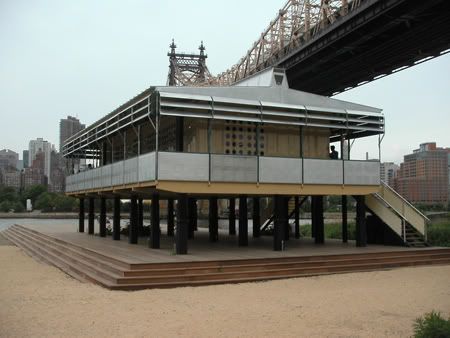
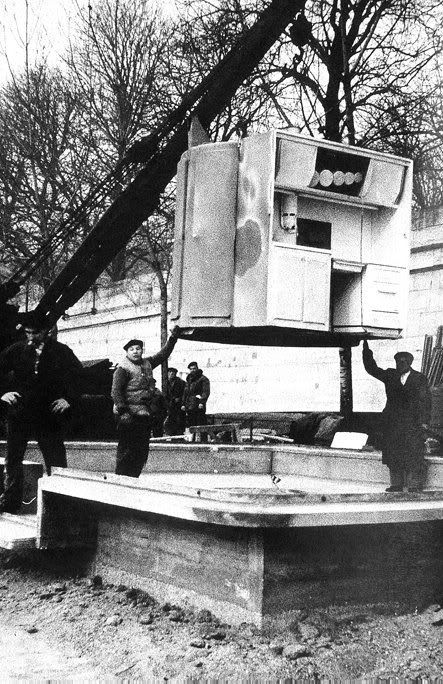
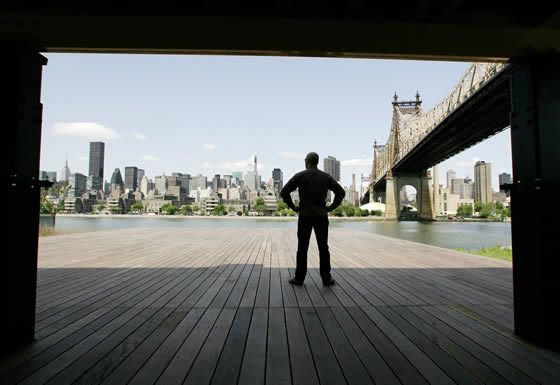 «In 1949, the French government under Charles De Gaulle hired Jean Prouvé, a French designer and a favorite of contemporary collectors, to build prefabricated housing for the country’s African colonies. In what may be the earliest example of modern prefab, Prouvé created Maison Tropicale, an aluminum paneled building that could be packed into a cargo plane. One of the surviving prototypes, here at the foot of the Queensboro Bridge in Long Island City, New York.»